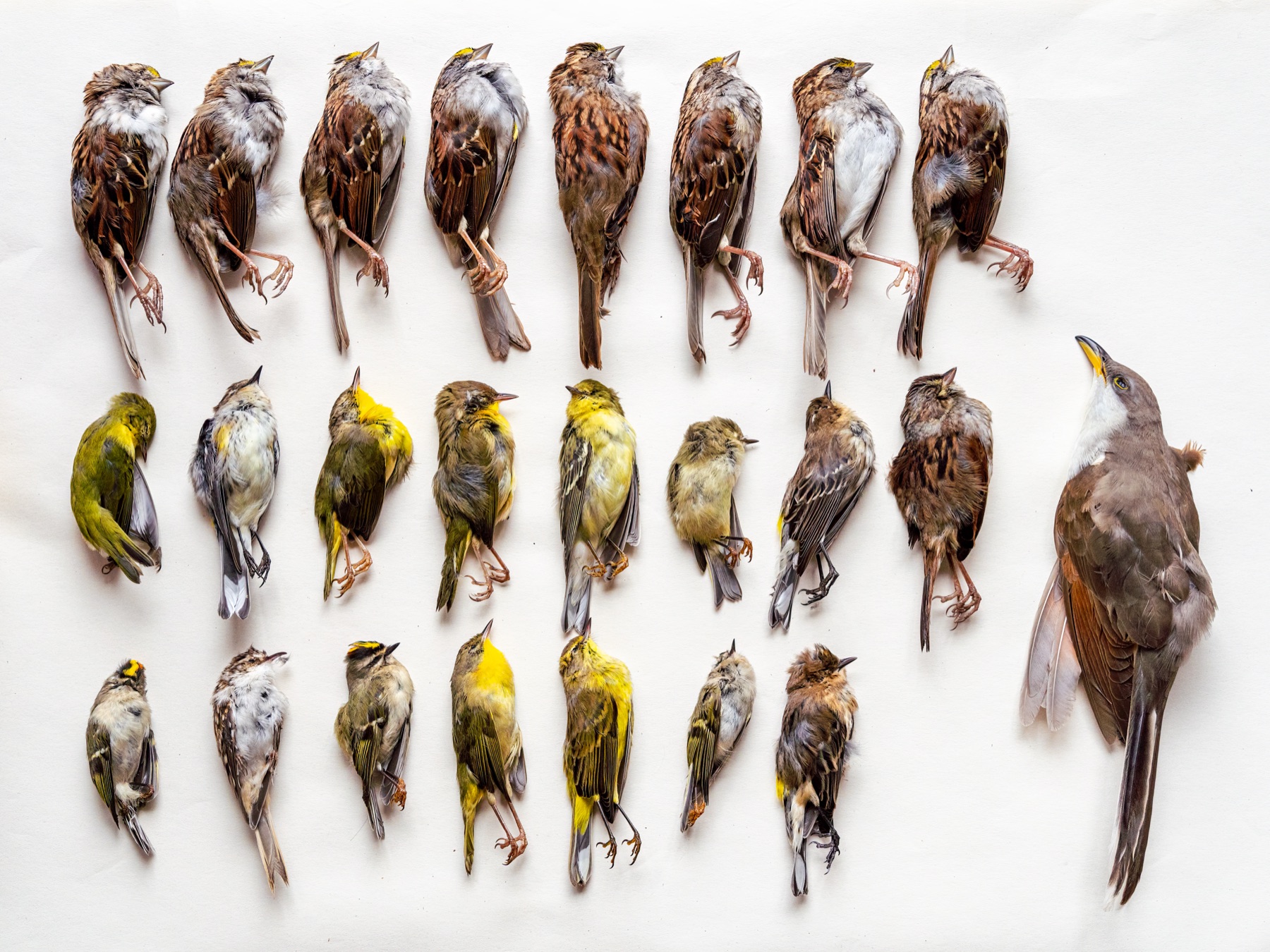
More than one billion birds die from window collisions in the United States every single year.
Project Safe Flight
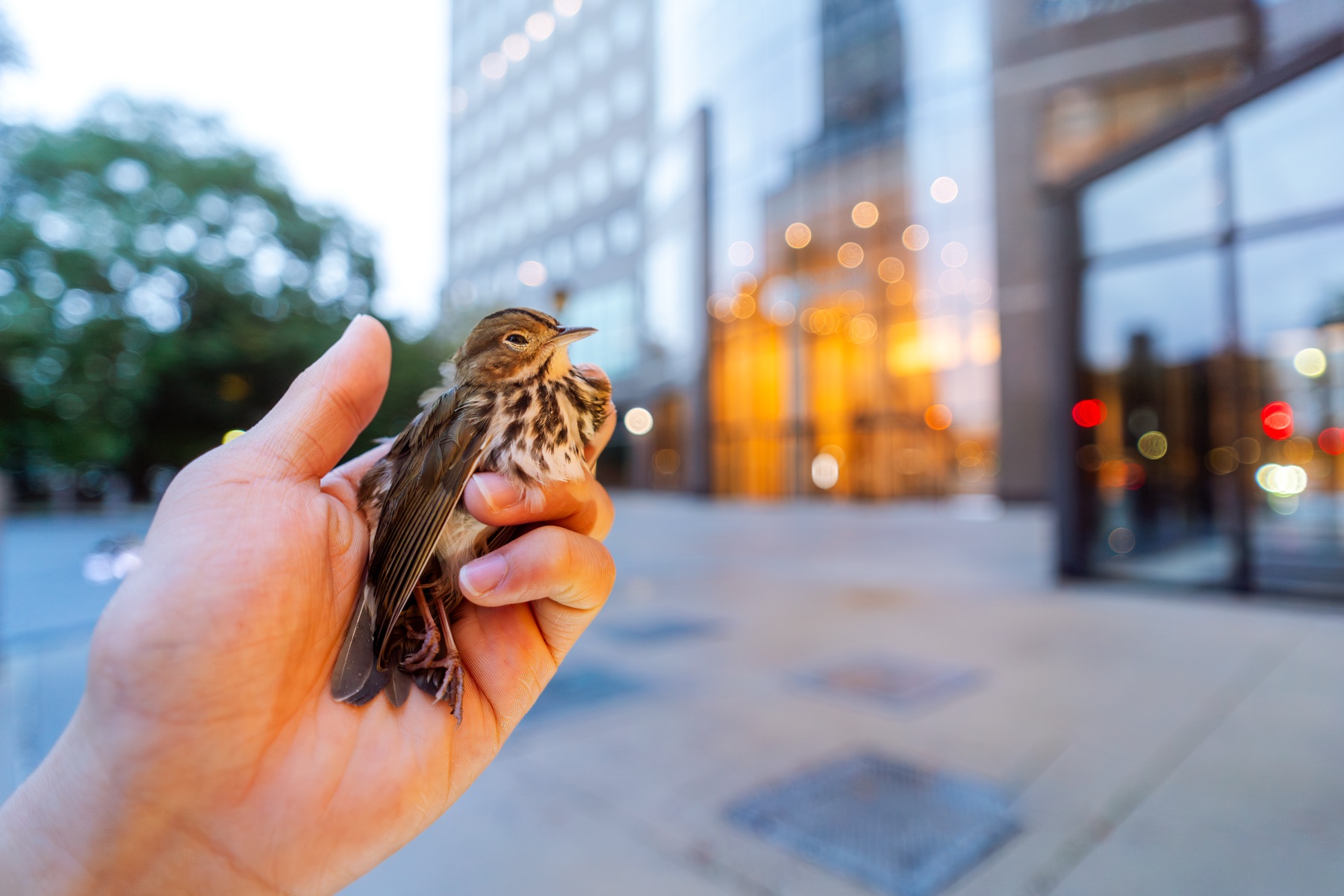
The Big Apple is not only home to 500 bird species, but also home to a myriad of glassy high-rises and glossy residential complexes.
We humans know what windows are, but birds don't; instead, they see a healthy tree through reflective windows and a landing space through transparent ones.
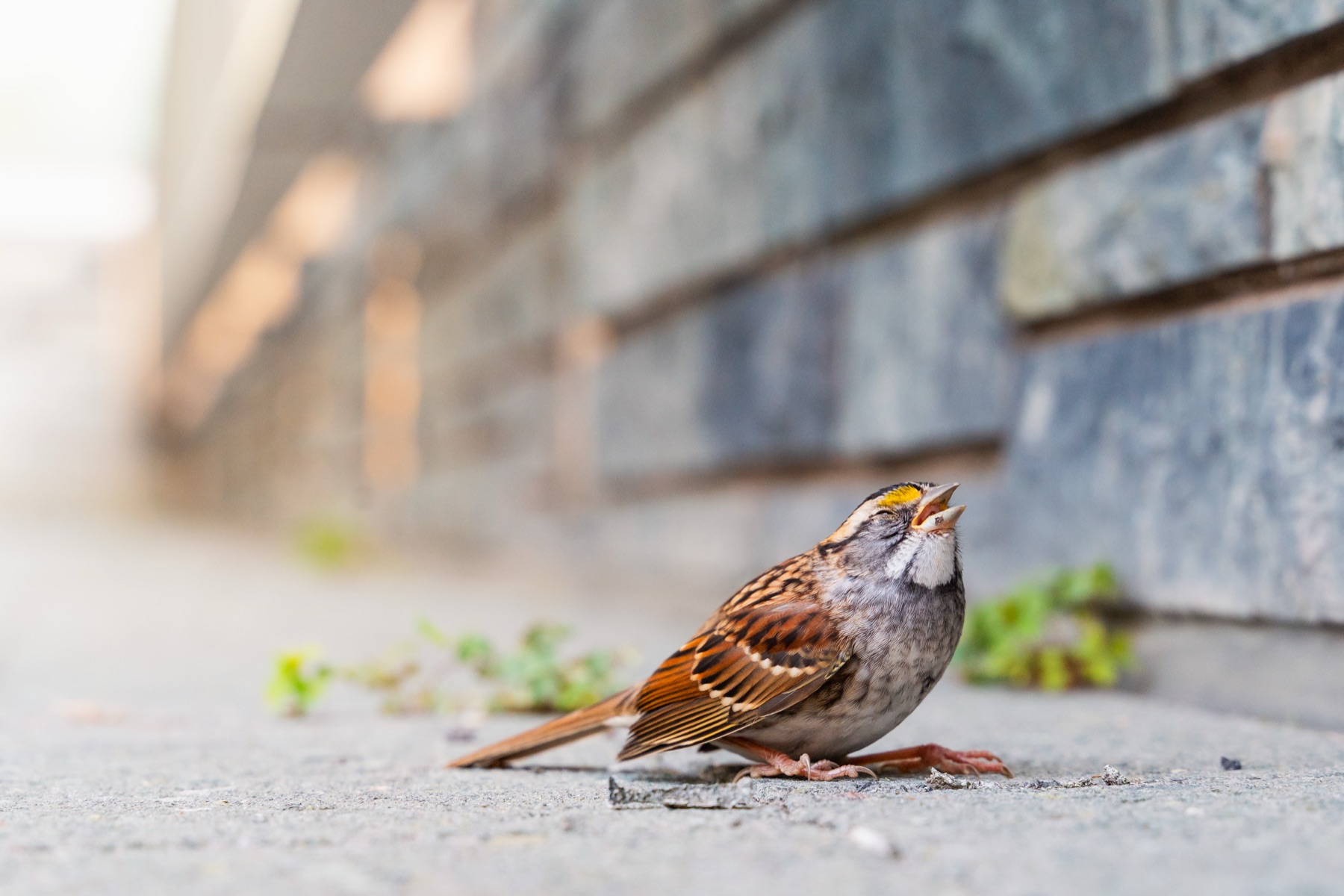
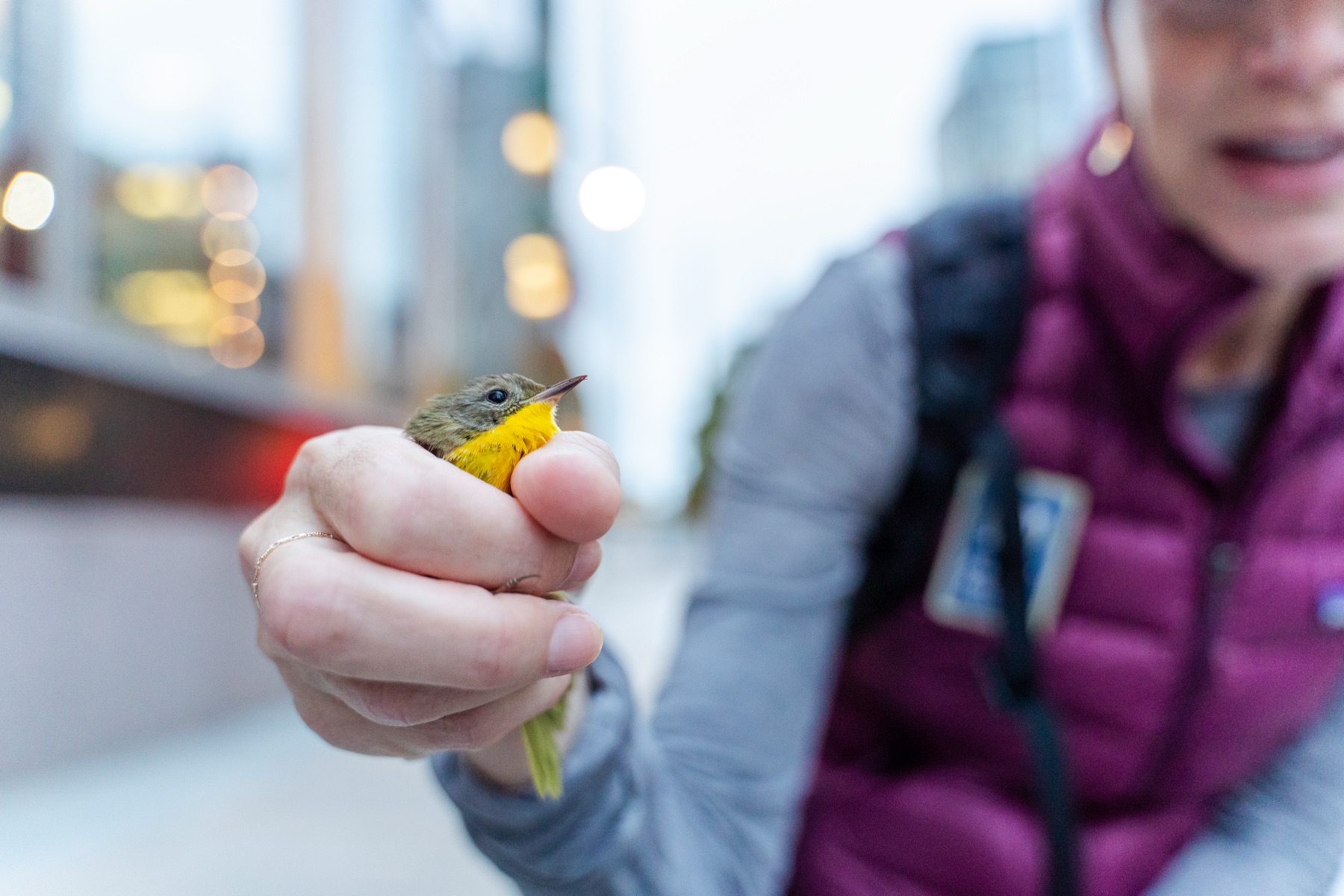
Every fall and spring, volunteers for NYC Bird Alliance's Project Safe Flight rise before dawn to monitor NYC's most problematic buildings. We collect detailed information on bird-window collisions for data analytics and bring injured birds to the Wild Bird Fund, NYC's premier bird rehabilitation clinic. Dead birds are brought into the NYC Bird Alliance headquarters to be donated to museums.
There's only so much that volunteers can do. Although we monitor collision hotspots in America's largest city, the ~300 dead birds we find per year represent just 0.00003% of all annual collision deaths in the U.S.
For some perspective, 0.00003% is equivalent to 10 seconds in a year, or a dozen drops of water in an Olympic-sized swimming pool.
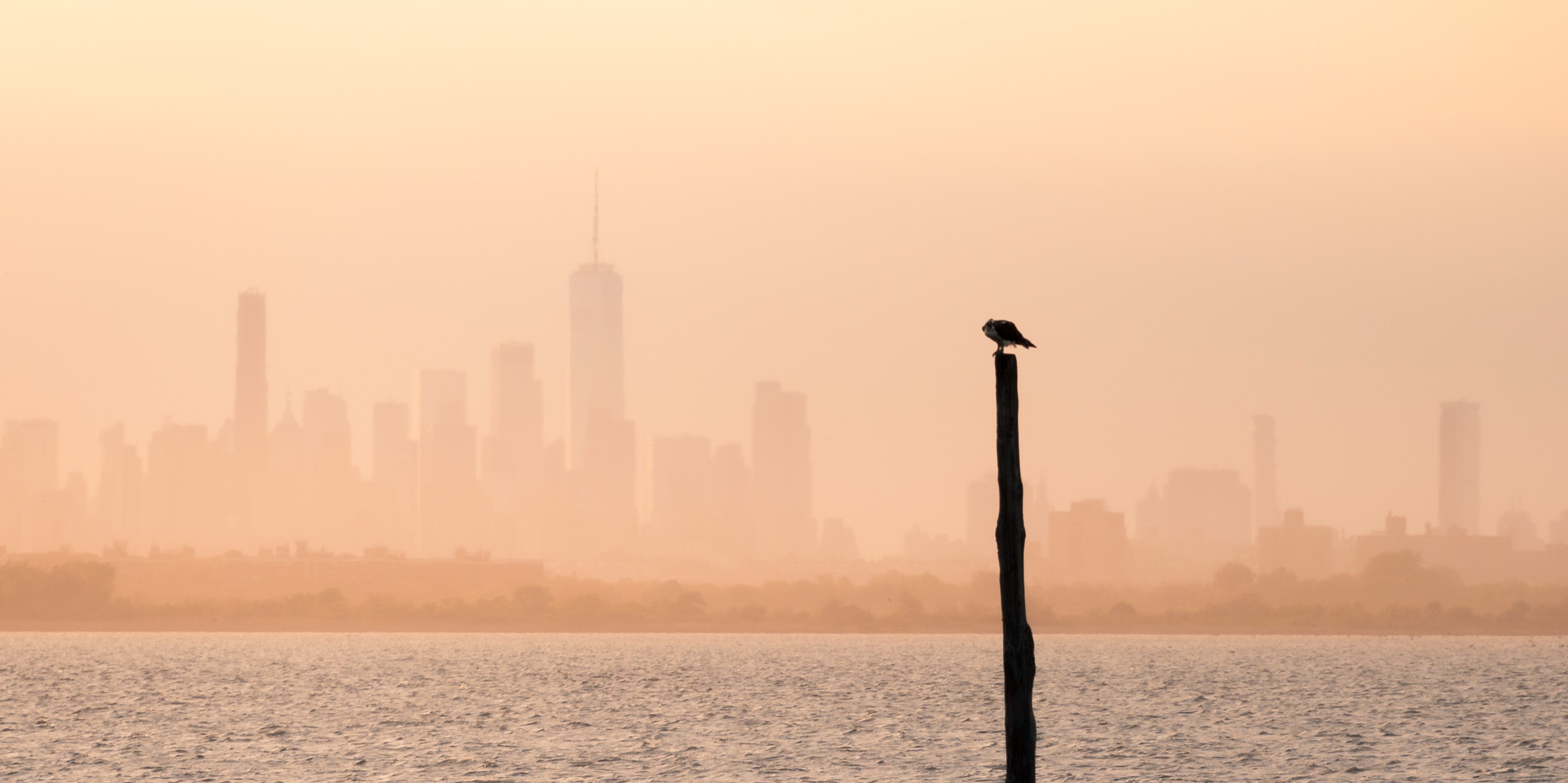
Yet, window collisions scratch the surface of the iceberg that is avian conservation.
Harbor Heron Surveys
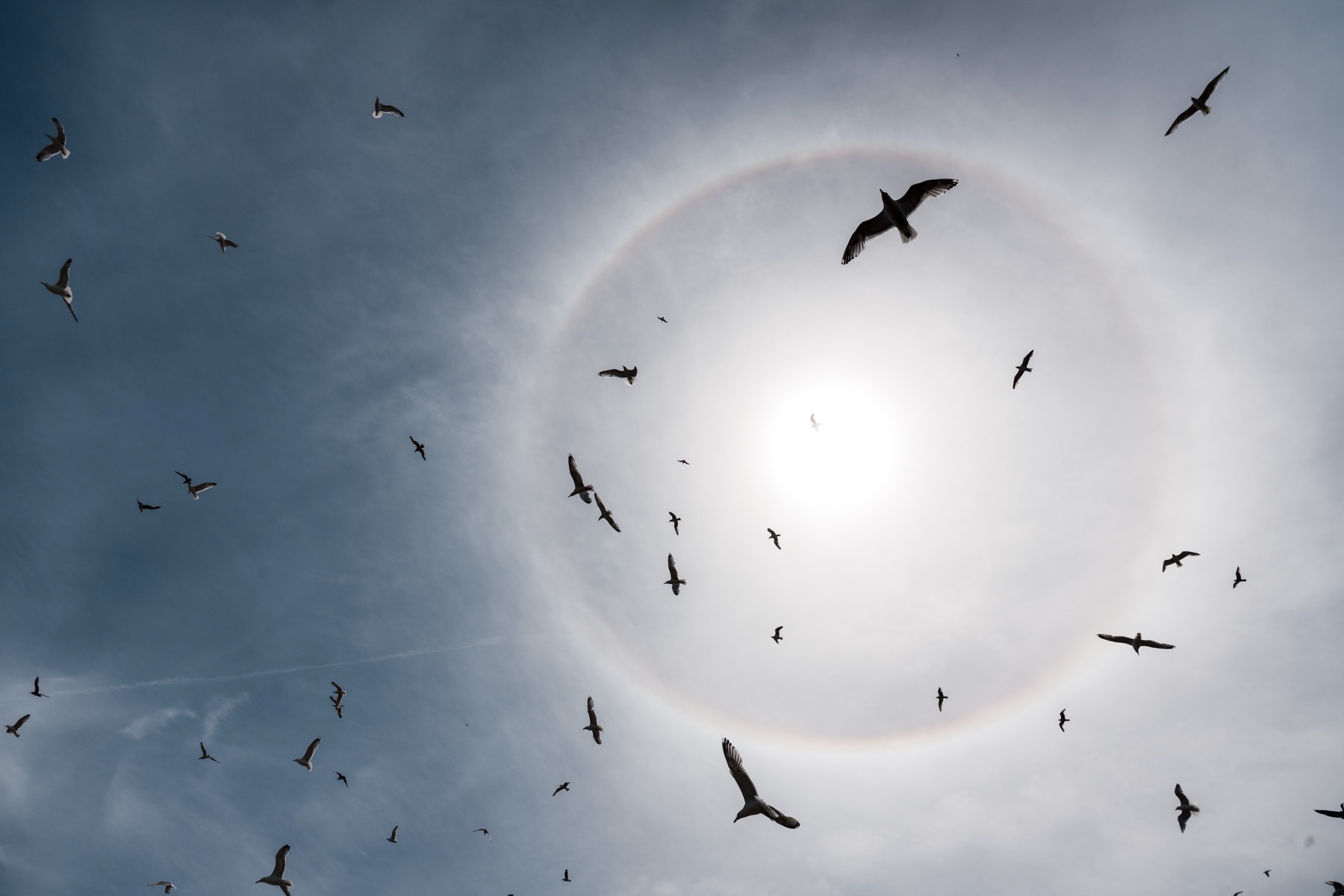
New York's most abundant waterbird, the black-crowned night heron, is set to vanish in our waterways by 2037.
There are half as many BCNH nests as there were 25 years ago, and researchers don't know why.
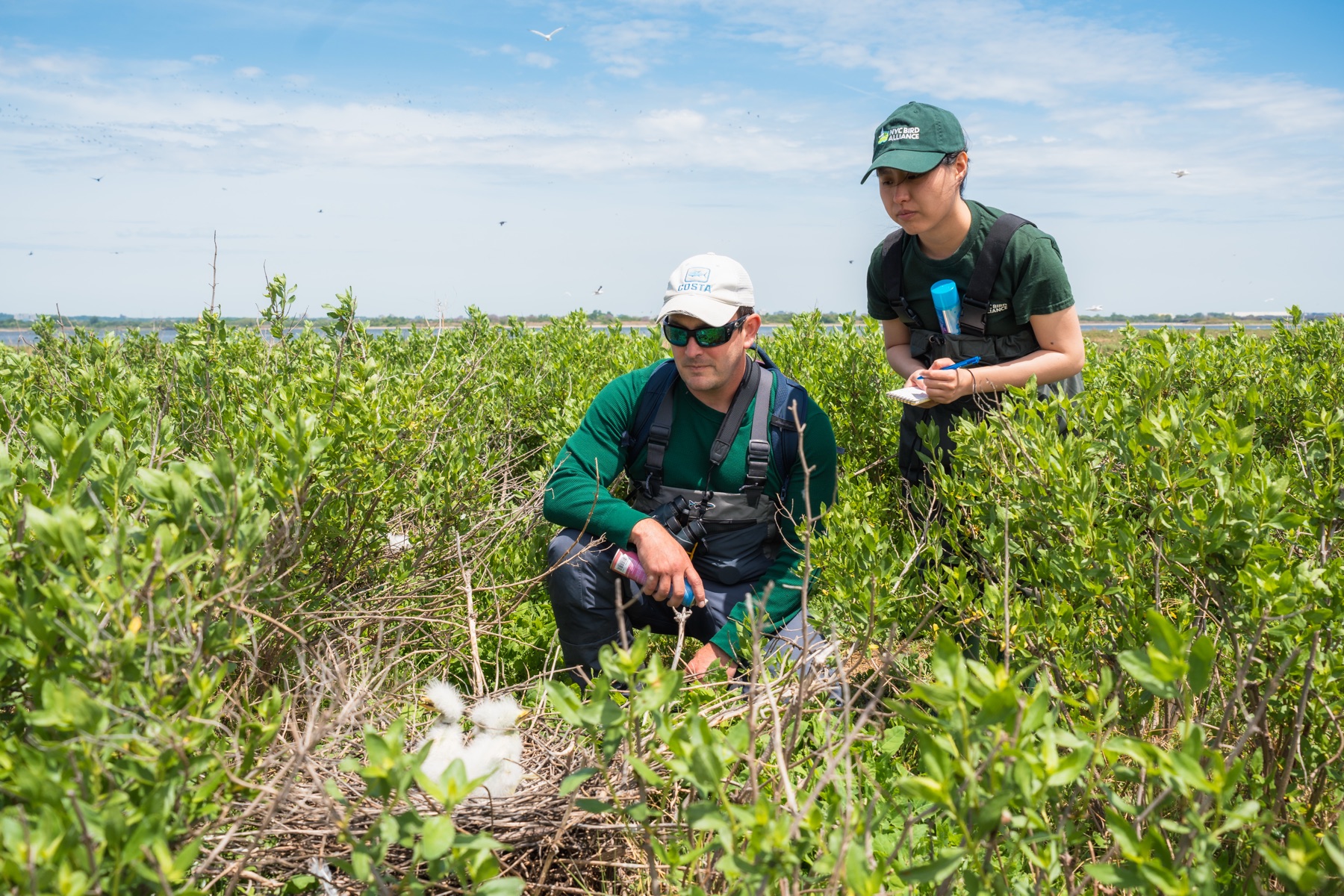
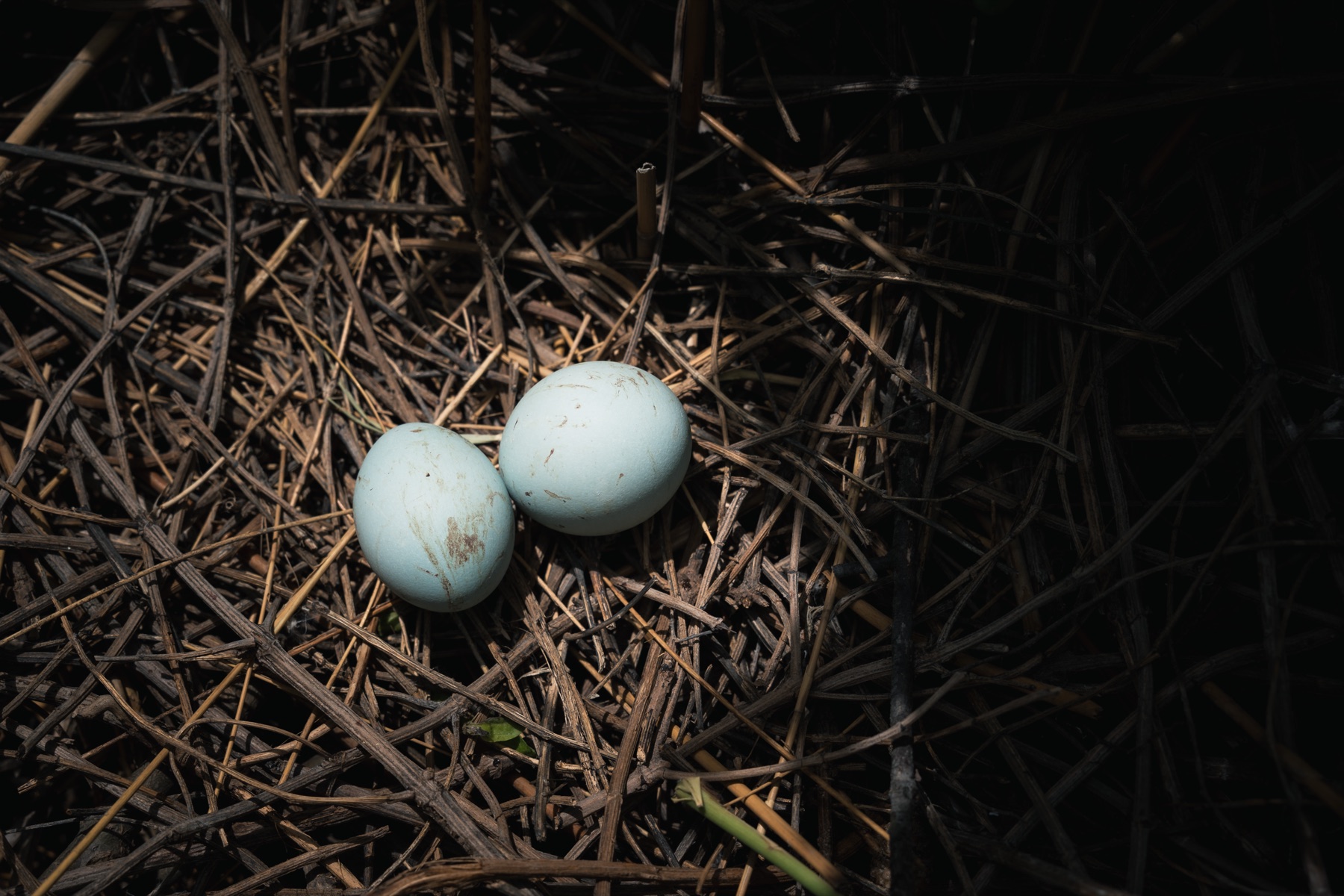
I joined NYC Bird Alliance and the American Littoral Society on their annual Harbor Herons survey. By counting eggs and chicks on untouched islands in the Jamaica Bay Wildlife Refuge, researchers can accurately measure waterbird population health and hopefully halt the mysterious disappearance of New York Harbor's most abundant waterbird.
Horseshoe Crab Monitoring
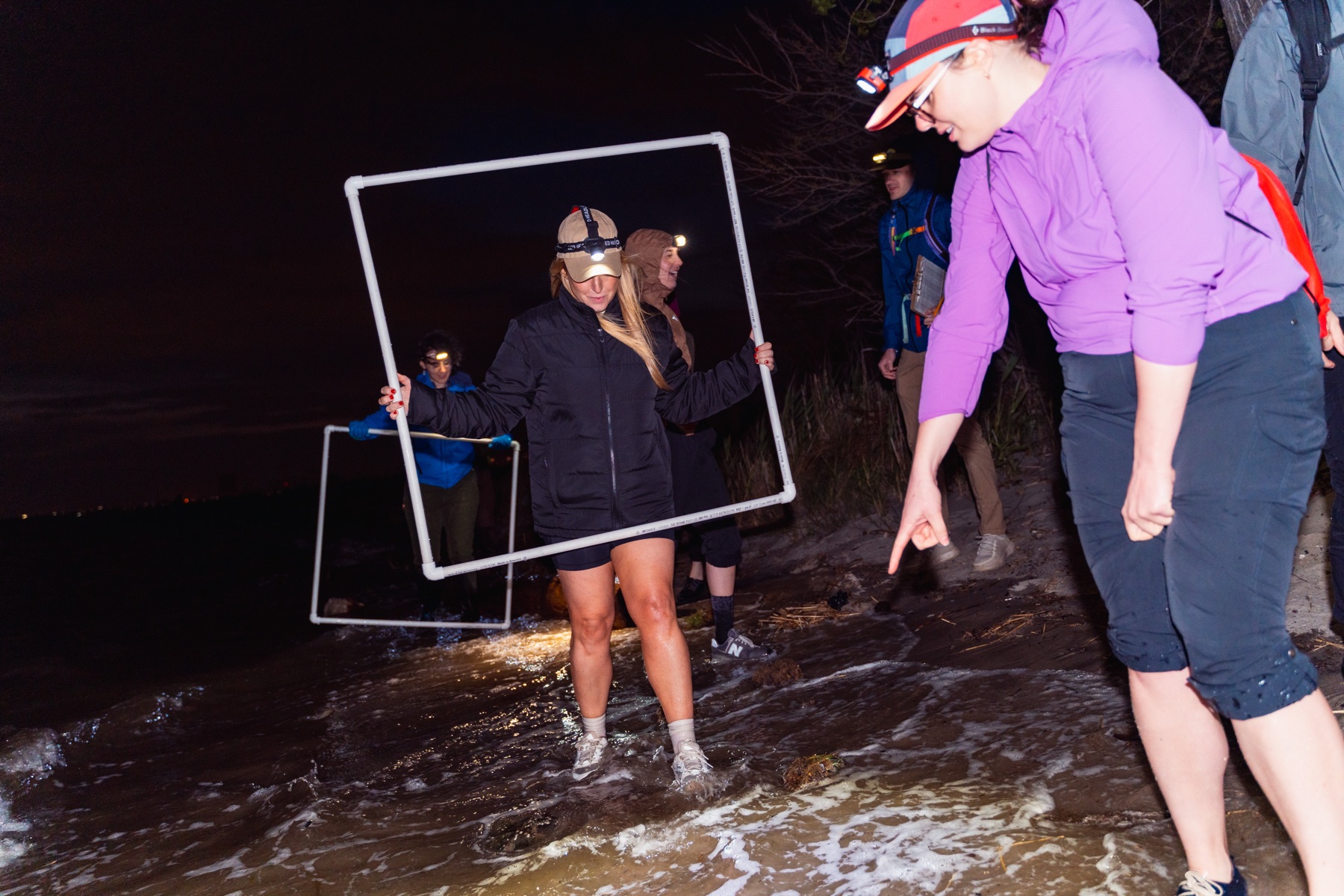
You'd never expect it from a bird alliance, but NYCBA hosts a large horseshoe crab monitoring program. When migratory shorebirds take a pit stop on the city's beaches, they fuel up on horseshoe crab eggs for the thousands of miles they need to fly.
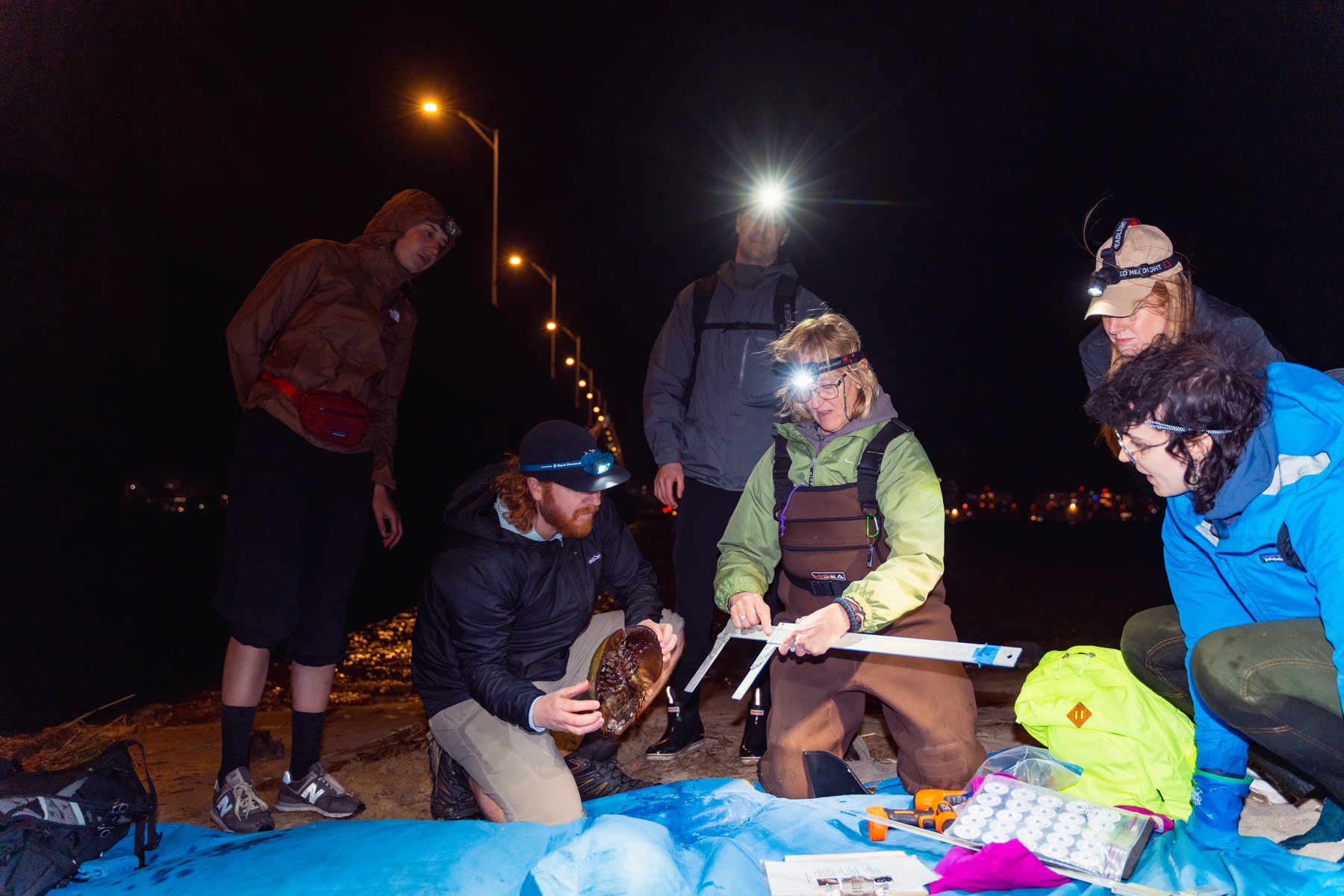
Volunteers count, measure, and tag spawning crabs to help researchers track population health. The data collected shapes policies, such as NY's phaseout of commercial crab harvesting.
YouTube Channel: Work In Progress!
Working on a conservation engineering YouTube channel to make conservation cool